Why Your Hip Flexors Always Feel Tight (And Why Stretching Isn't Always the Answer)
- Julia Cole
- Jun 4
- 3 min read

If you're a runner, chances are you've said some version of this before:
"My hip flexors are so tight."
It's one of the most common complaints I hear from runners in my Athletic Therapy clinic in Victoria, BC. Often, runners assume that tight hips mean they need to stretch more. They spend time doing lunges, couch stretches, and hip mobility drills, only to find that the tightness comes back the next day—or sometimes even later that same run.
If this sounds familiar, you may be surprised to learn that your hip flexors might not actually be tight.
What Do the Hip Flexors Do?
Your hip flexors are a group of muscles at the front of the hip that help lift your knee toward your chest. Every time you take a step while running, your hip flexors work to swing your leg forward and prepare for the next stride.
During a run, these muscles may contract thousands of times.
Because of this repetitive demand, runners need more than flexibility. They need strength and endurance.
Tight Doesn't Always Mean Short
Many people assume that a feeling of tightness means a muscle is physically shortened and needs stretching. While this can sometimes be true, it isn't always the case.
Muscles can also feel tight when they are:
Fatigued
Overworked
Weak relative to the demands placed on them
Trying to create stability around a joint
Think of tightness as a sensation, not necessarily a diagnosis.
If your hip flexors don't have the strength or endurance required for running, your body may respond with feelings of stiffness, tension, or tightness.
This is one reason why stretching often provides only temporary relief.
Why Runners Often Experience Tight Hip Flexors
Several factors can contribute to recurring hip flexor tightness:
1. Increasing Training Load Too Quickly
A sudden increase in mileage, speed work, hills, or race preparation can place more demand on the hip flexors than they are prepared for.
2. Weak Hip Flexors
Many runners focus on glutes and core strength but neglect direct hip flexor strengthening. Like any muscle, hip flexors can become overloaded when their capacity doesn't match the demands being placed on them.
3. Limited Strength in Surrounding Muscles
Weak glutes, core muscles, or hamstrings can increase the workload placed on the hip flexors during running.
4. Spending Long Periods Sitting
While sitting itself isn't necessarily harmful, long periods of inactivity can contribute to feelings of stiffness and reduced movement variability.
What Should You Do Instead?
If your hip flexors always feel tight despite regular stretching, consider shifting some of your focus toward strength training.
Exercises such as:
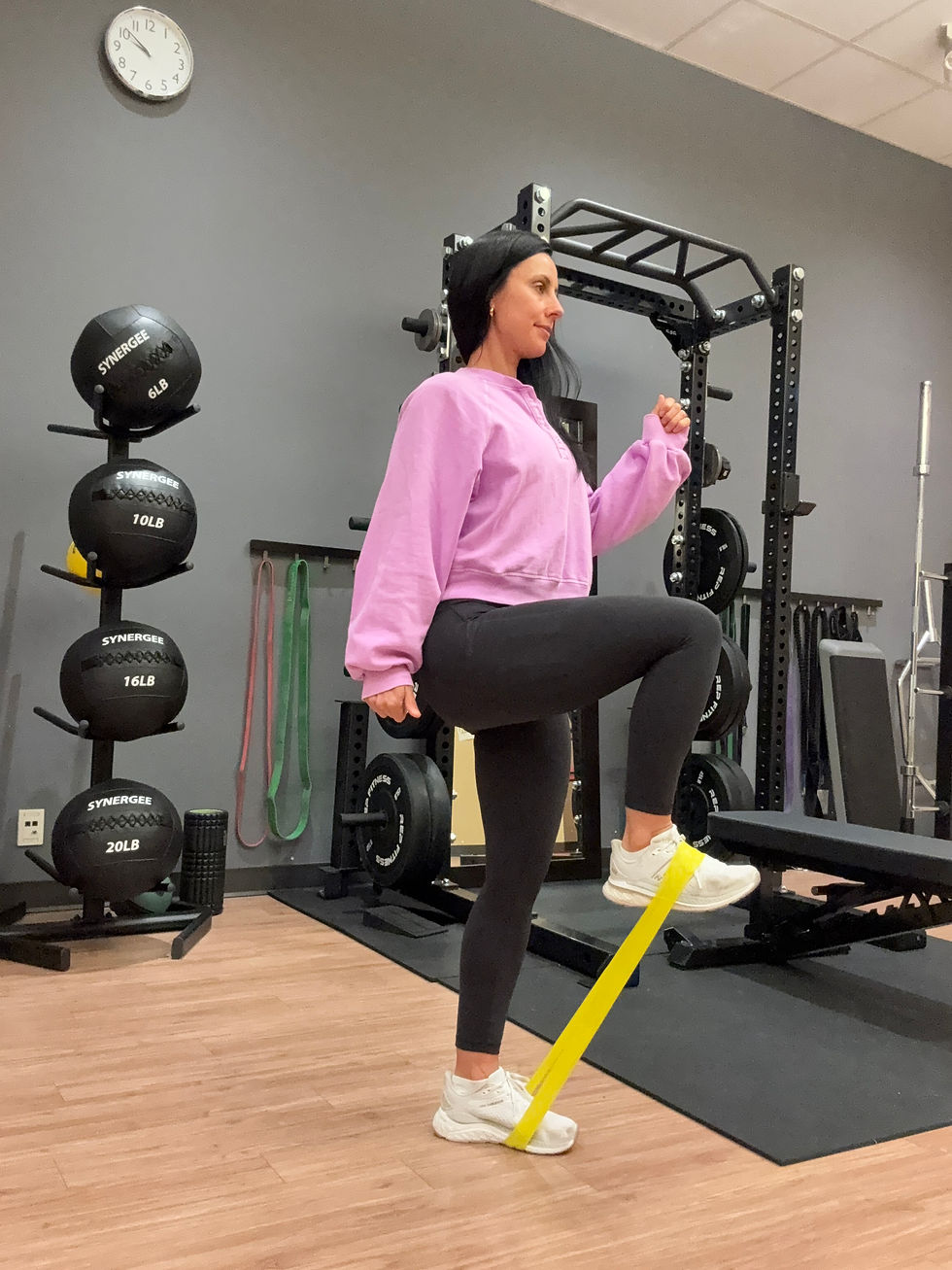
Marching variations
Standing resisted hip flexion
Dead bugs
Split stance exercises
Single-leg strength training
These can help improve the capacity of the hip flexors and surrounding muscles.
This doesn't mean you should stop stretching altogether. Mobility work can still be helpful, especially if it feels good. The key is understanding that stretching alone may not address the underlying reason your hips feel tight.
The Bottom Line
If you're a runner constantly battling "tight" hip flexors, more stretching isn't always the answer.
Sometimes the issue isn't a lack of flexibility—it's a lack of strength and capacity.
When muscles are asked to do more than they are prepared for, they often respond with sensations of tightness, stiffness, and discomfort. Building strength, improving running capacity, and managing training load can often provide more lasting relief than stretching alone.
If you're dealing with recurring hip tightness, hip pain, or running-related injuries and aren't sure what's driving your symptoms, an assessment can help identify the underlying cause and create a plan that gets you back to running comfortably.
Looking for Help With Running Injuries in Victoria, BC?
At Proactive Therapy, I help runners identify the root cause of persistent aches, pains, and movement limitations through evidence-based Athletic Therapy and strength training. Whether you're training for your first 5K or your next marathon, the goal is to keep you running strong for the long term.
Athletic Therapist → Athletic Therapy page
Strength training → Strength & Conditioning page
Why Your Hips and Groin Always Feel Tight (and Why Stretching Isn't the Fix) → related blog
Athletic Therapy services or book an appointment today → booking page